Learn how surface condition, previous coatings, moisture, traffic, and appearance affect the right sealer choice.
Choosing the right protection for your Florida pavers
Florida’s intense sunlight, heavy rain, high humidity, and frequent irrigation can be hard on outdoor pavers. Choosing the right sealer can help protect their appearance, stabilize joint sand, and make routine maintenance easier.
Two common choices are acrylic sealers and water-based urethane sealers. Each has advantages, but the best option depends on the condition of the pavers, previous coatings, moisture conditions, traffic, and the desired appearance.
Understanding Acrylic Paver Sealers
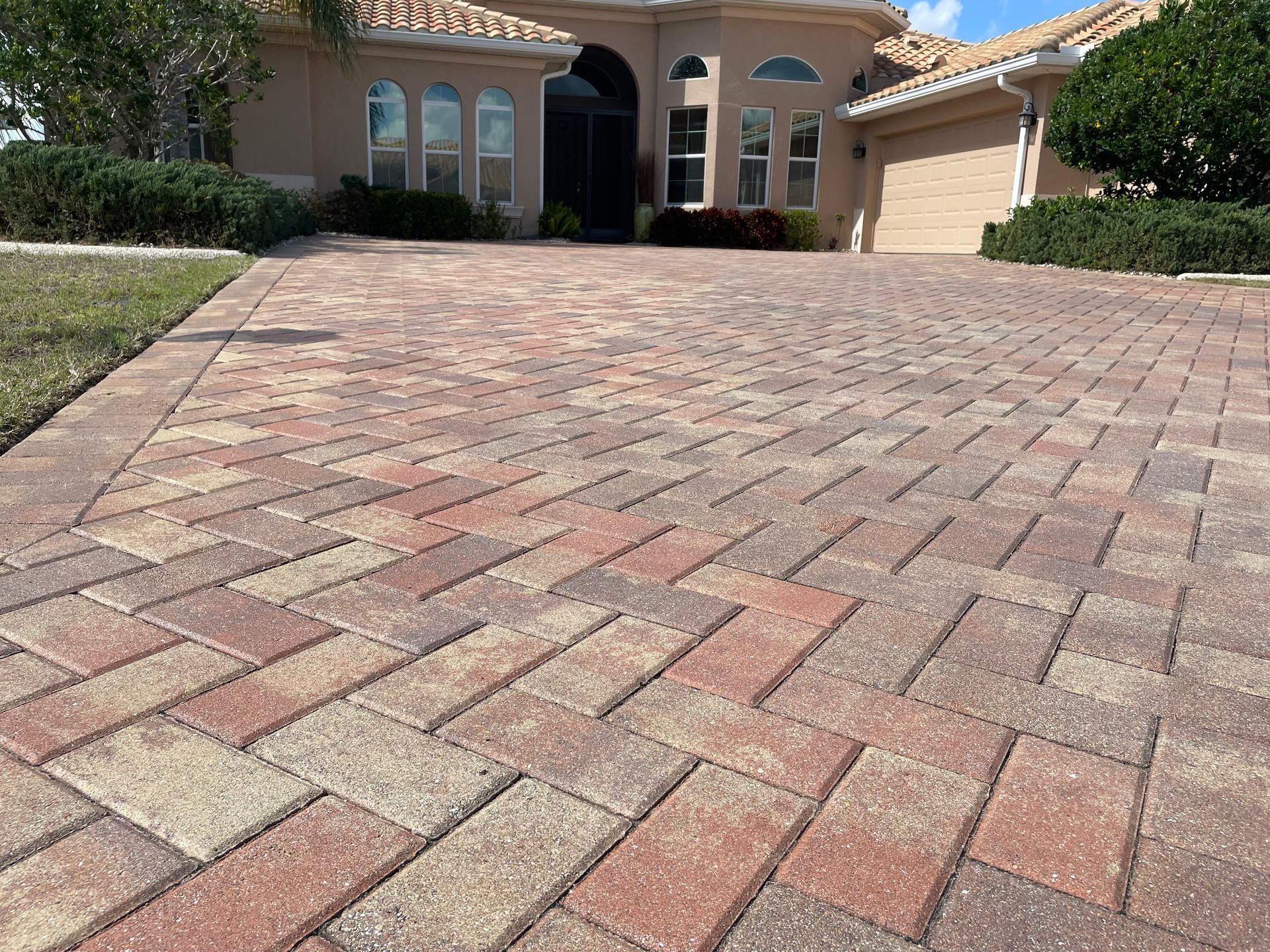
Acrylic sealers have been used on concrete pavers for many years. They form a protective film over the surface and are available in finishes ranging from natural-looking to high gloss.
Potential advantages of acrylic sealers include:
- Lower initial cost
- A wide range of finish options
- Color enhancement
- Relatively straightforward maintenance when properly applied
- Compatibility with many previously acrylic-sealed surfaces
Acrylic sealer may be appropriate when the existing coating is compatible and in serviceable condition. However, excessive buildup, trapped moisture, improper preparation, or incompatible products can cause whitening, cloudiness, peeling, or other signs of sealer failure.
Applying another coat without evaluating the existing surface can temporarily hide a problem instead of correcting its cause.
Understanding Water-Based Urethane Paver Sealers
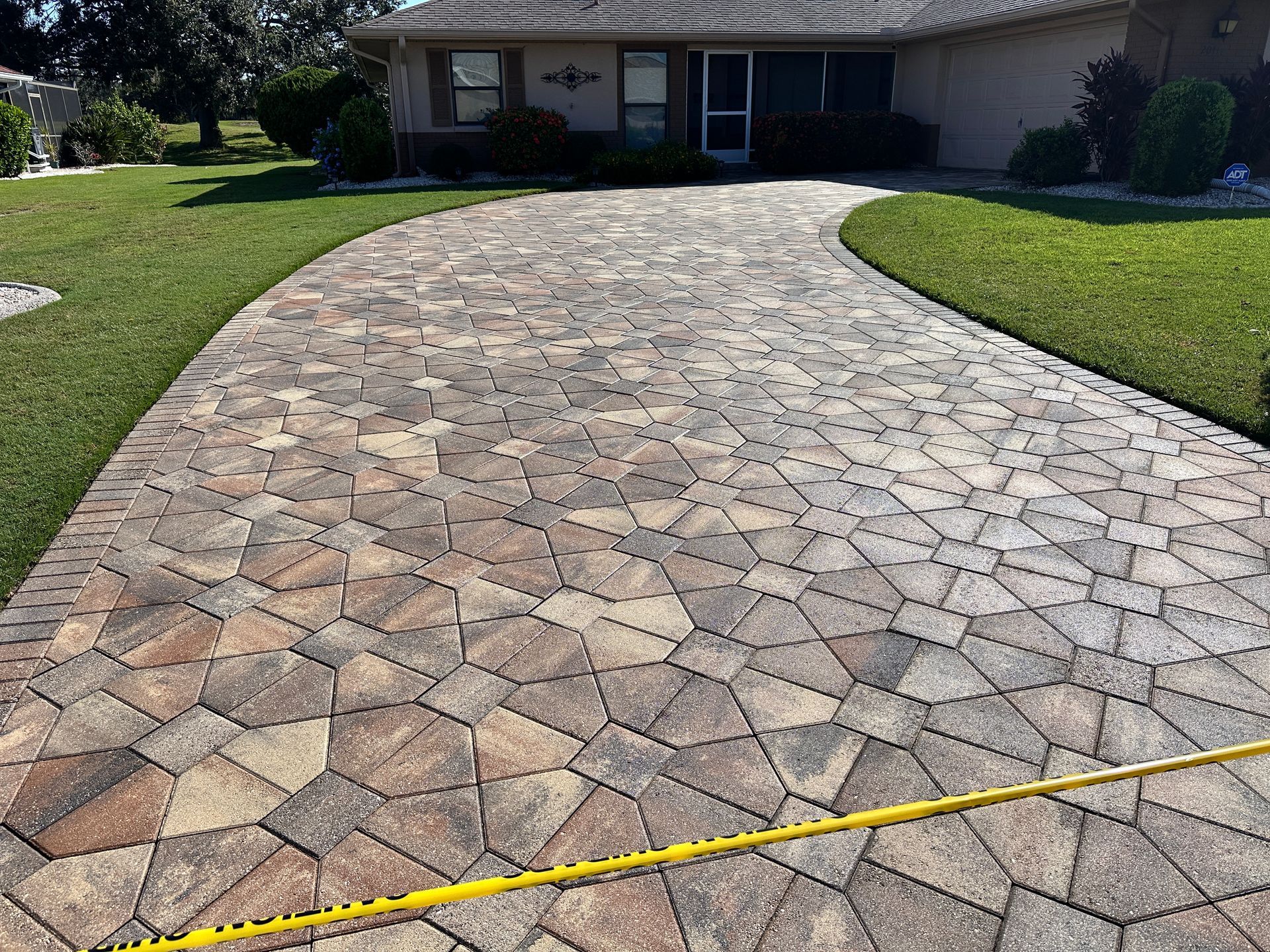
Water-based urethane sealers use a more durable coating technology designed to provide strong adhesion and resistance to wear. Depending on the product and application, they can provide a natural, enhanced, or glossy appearance.
Potential advantages of water-based urethane sealers include:
- Strong resistance to surface wear
- Good color and gloss retention
- Resistance to many common stains and chemicals
- Lower odor during application than many solvent-based products
- Durable protection when the surface is properly prepared
Water-based urethane is not automatically the correct choice for every project. The paver surface and any previous coating must be evaluated for compatibility before a new product is applied.
Florida Conditions Affect Sealer Performance
No paver sealer performs independently of the surface beneath it. Florida properties frequently experience conditions that can affect the appearance and service life of a coating, including:
- Intense ultraviolet exposure
- Heavy rain and high humidity
- Irrigation overspray
- Poor drainage or standing water
- Moisture moving through the pavers
- Pool chemicals and cleaning products
- Vehicle traffic and tire pressure
- Previous layers of incompatible sealer
Because these conditions vary from property to property, choosing a sealer based only on price or gloss level can lead to disappointing results.
Which Type of Sealer Is Better?
Neither sealer category is universally better for every surface. The appropriate choice depends on several factors.
Existing sealer
If the pavers were previously sealed, the existing coating must be identified and evaluated. A new sealer may not bond correctly to an incompatible coating.
Cloudy, peeling, discolored, or heavily built-up sealer may need to be professionally removed before the surface is resealed.
Moisture and drainage
Areas with standing water, irrigation problems, poor drainage, or moisture moving through the pavers require special attention. Sealing without addressing these conditions can contribute to whitening or coating failure.
Traffic and use
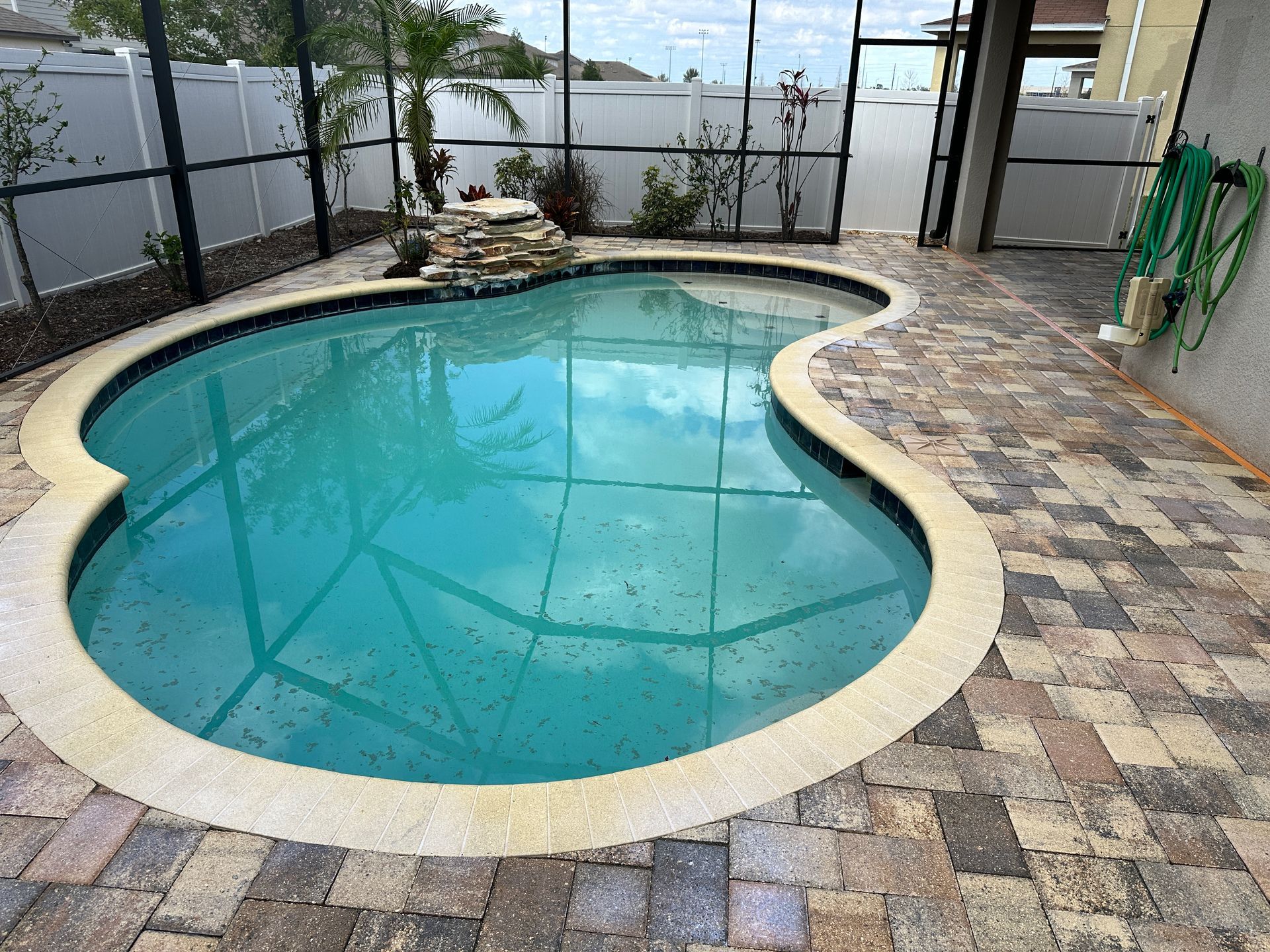
Driveways, patios, walkways, and pool decks experience different types of traffic and exposure. A driveway must tolerate vehicles and tires, while a pool deck may require additional consideration for water, chemicals, and slip resistance.
Desired appearance
Some homeowners prefer a natural-looking finish, while others want deeper color enhancement or more gloss. The chosen product must be appropriate for both the surface conditions and the desired result.
Future maintenance
The existing coating and the product selected today can affect future cleaning, recoating, and restoration. A professional evaluation helps establish a practical long-term maintenance plan.
Preparation Matters as Much as the Sealer
Even a high-quality sealer can fail when applied to a poorly prepared surface.
A professional paver restoration process may include:
- Evaluating the pavers and existing coating
- Repairing low, loose, or uneven pavers
- Removing failed or incompatible sealer when necessary
- Deep cleaning the surface and joints
- Treating stains and organic buildup
- Allowing the pavers to dry under suitable conditions
- Installing fresh joint sand where needed
- Applying the selected sealer at the proper rate
Temperature, humidity, surface moisture, application rate, and curing conditions can all affect the finished result.
Be Careful About Recoating Failed Sealer
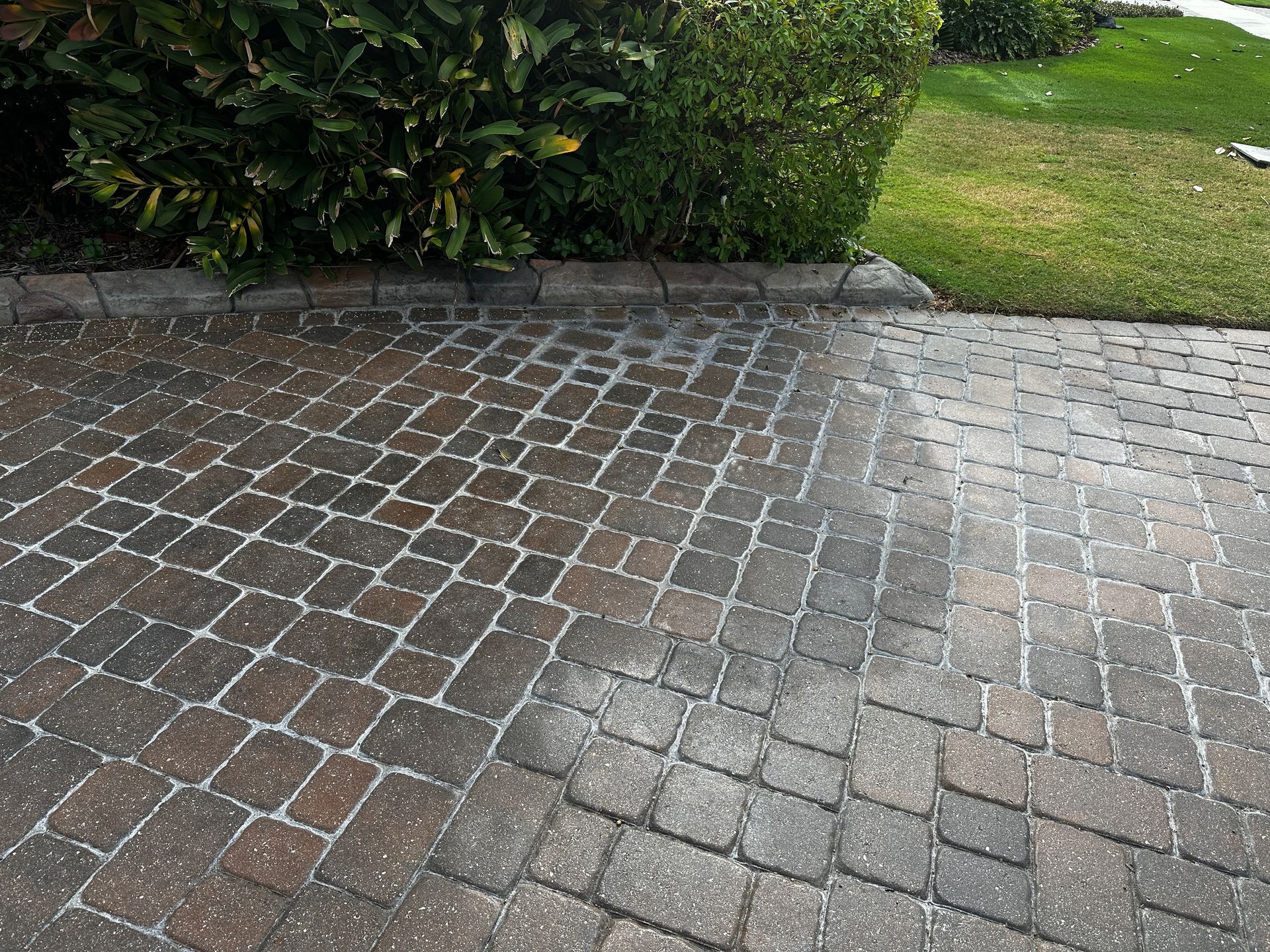
Cloudiness, white spots, peeling, uneven gloss, and discoloration are not always problems that another coat of sealer will fix.
In some cases, recoating failed sealer can trap the problem beneath another layer and make future restoration more difficult. The existing condition should be evaluated before any additional product is applied.
When necessary, professional failed-sealer removal can provide a cleaner foundation for the correct restoration process.
How Long Does Paver Sealer Last?
There is no single lifespan that applies to every sealed surface. Performance depends on:
- Product selection
- Surface preparation
- Number and thickness of previous coatings
- Sun exposure
- Vehicle and foot traffic
- Drainage and irrigation
- Cleaning practices
- Application and curing conditions
Instead of relying on a fixed number of years, homeowners should watch for visible wear, fading, joint-sand loss, reduced water repellency, or changes in the coating’s appearance.
Choosing the Right Sealer for Your Pavers
The best sealer is the one that is compatible with the existing surface, appropriate for the property’s conditions, and applied through the correct preparation and installation process.
Supreme Paver Experts evaluates the complete paver system before recommending a solution. We provide professional paver cleaning, joint re-sanding, sealing, failed-sealer removal, repairs, paver tinting, and travertine sealing throughout Sun City Center and surrounding Tampa Bay communities.
If your pavers are faded, stained, cloudy, uneven, or covered with failed sealer, call
813-853-3557
or request an estimate at
SupremeTampaBay.com.