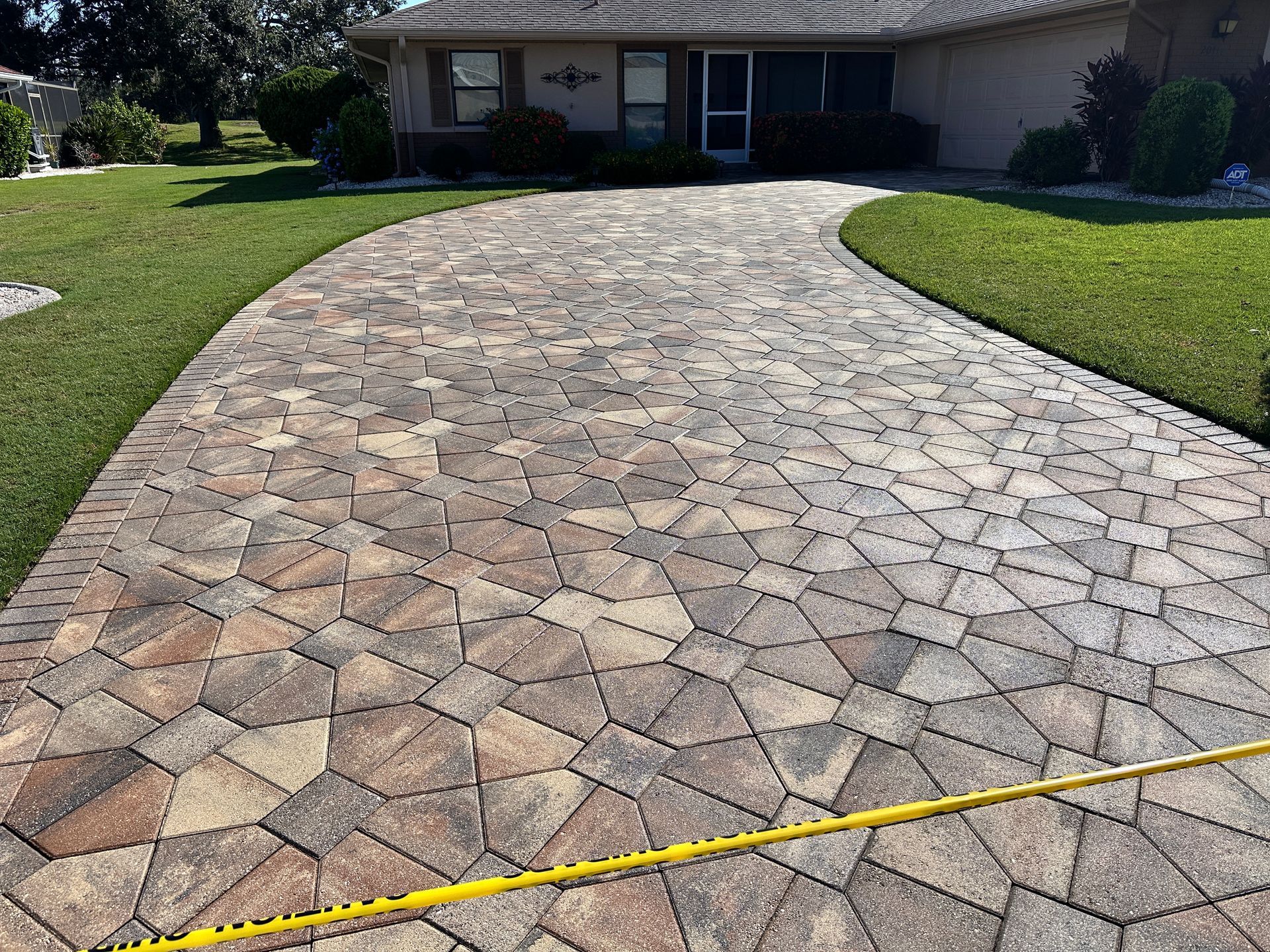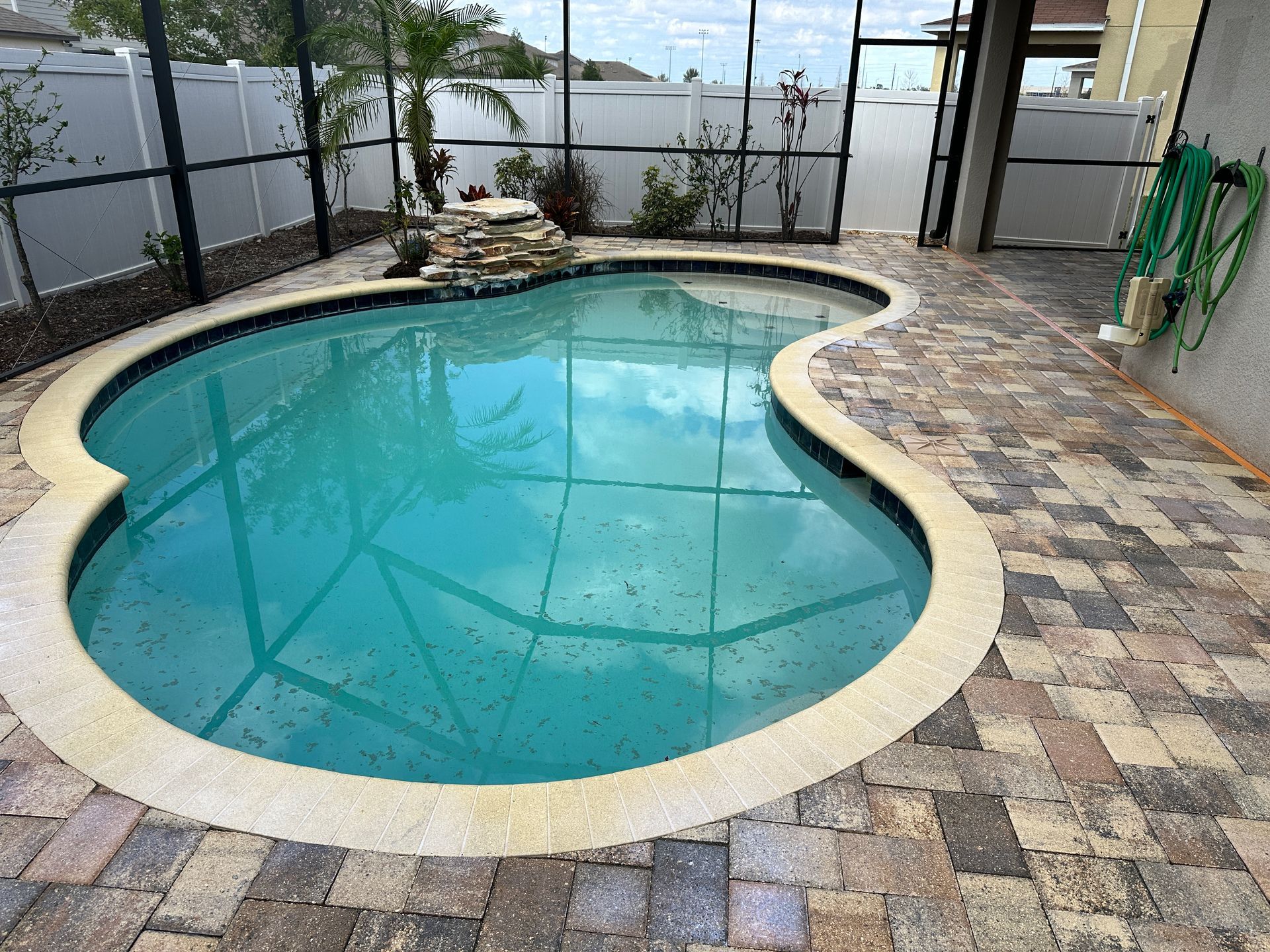
Paver Restoration and Tinting in Tampa Bay: Restore Faded, Worn Pavers
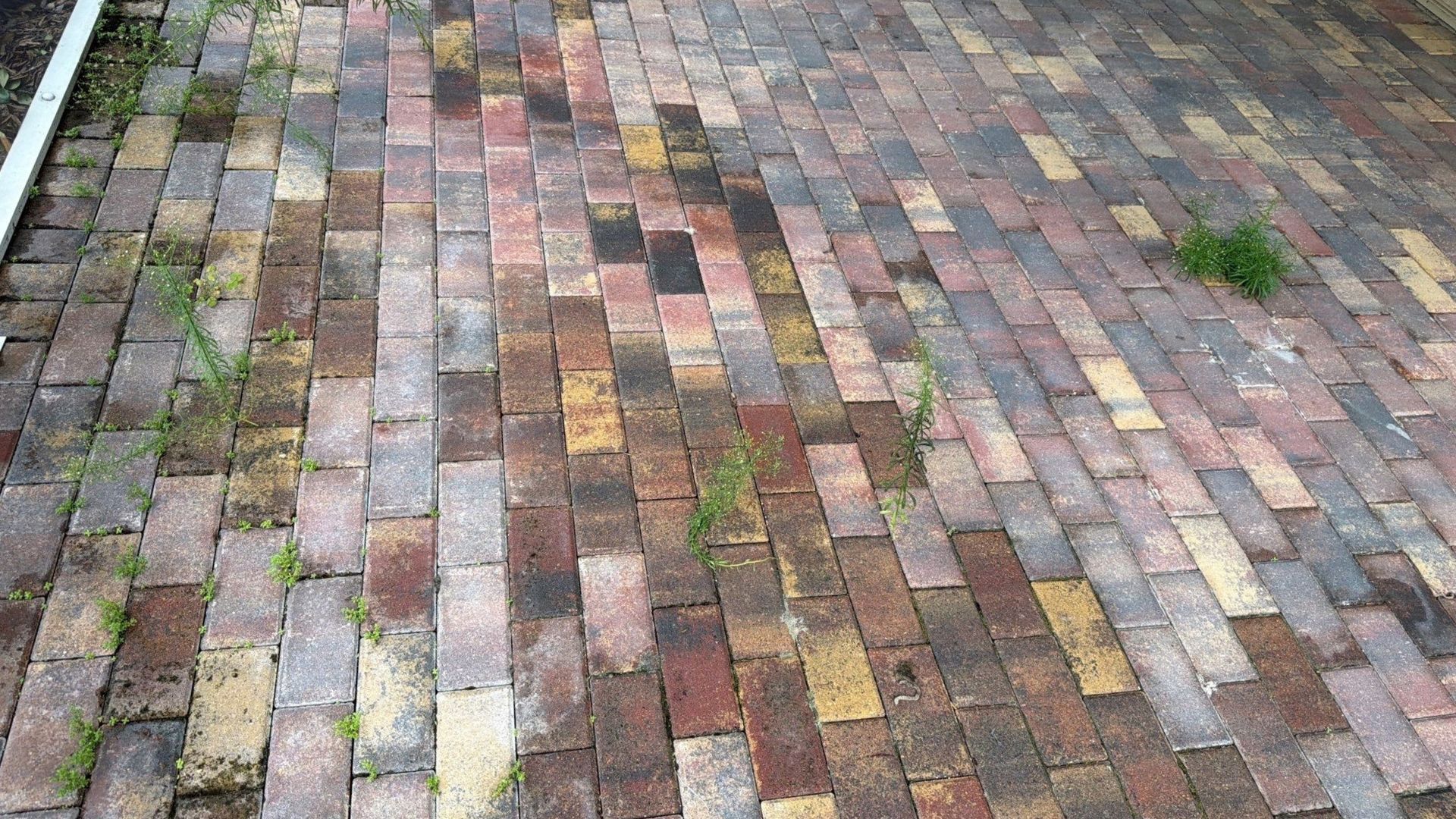
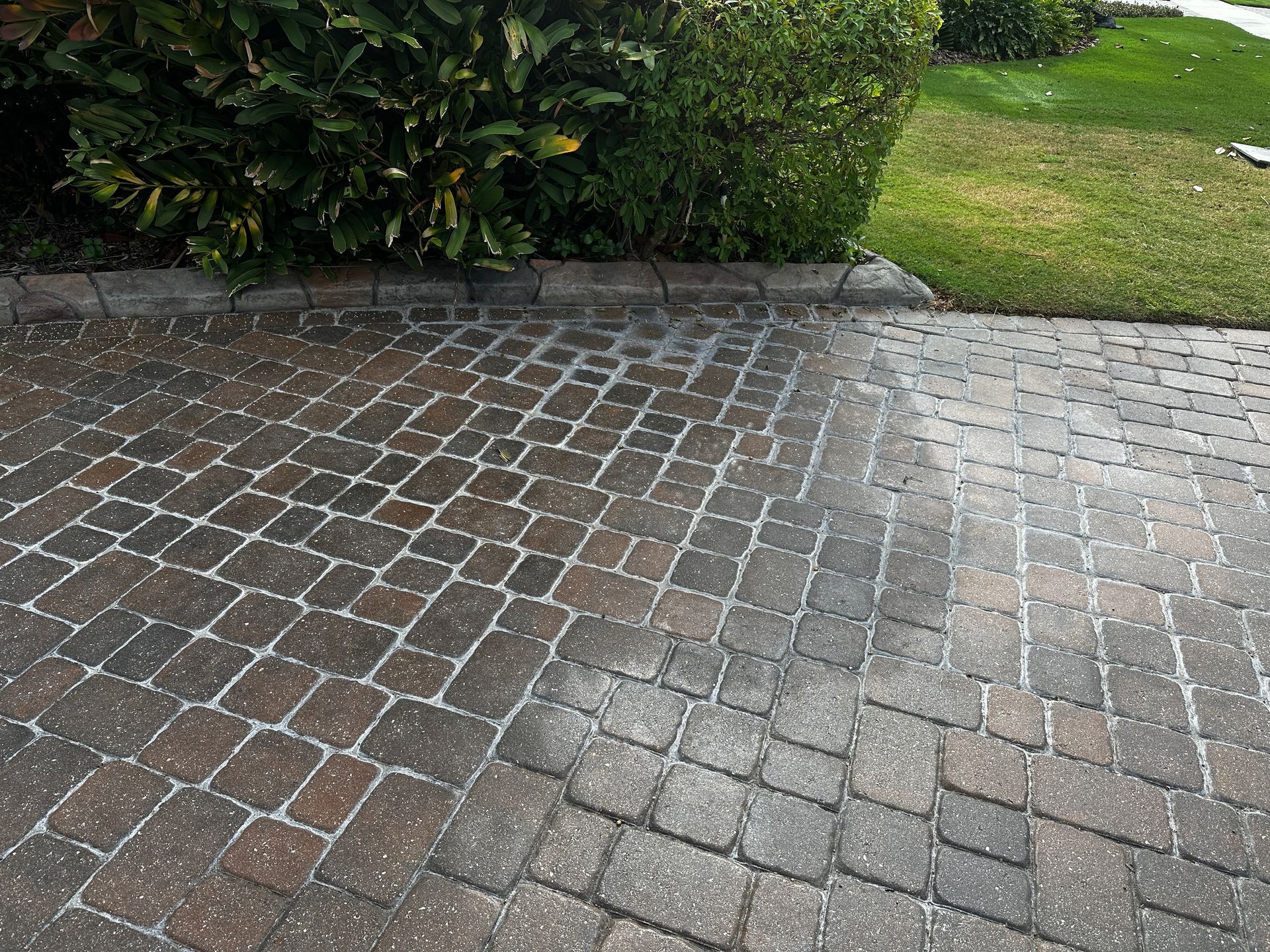
Florida’s sunshine, heavy rain, humidity, irrigation, and everyday use can gradually change the appearance of outdoor pavers. Driveways, patios, walkways, and pool decks may become faded, stained, uneven, or dull—even when the pavers themselves remain structurally sound.
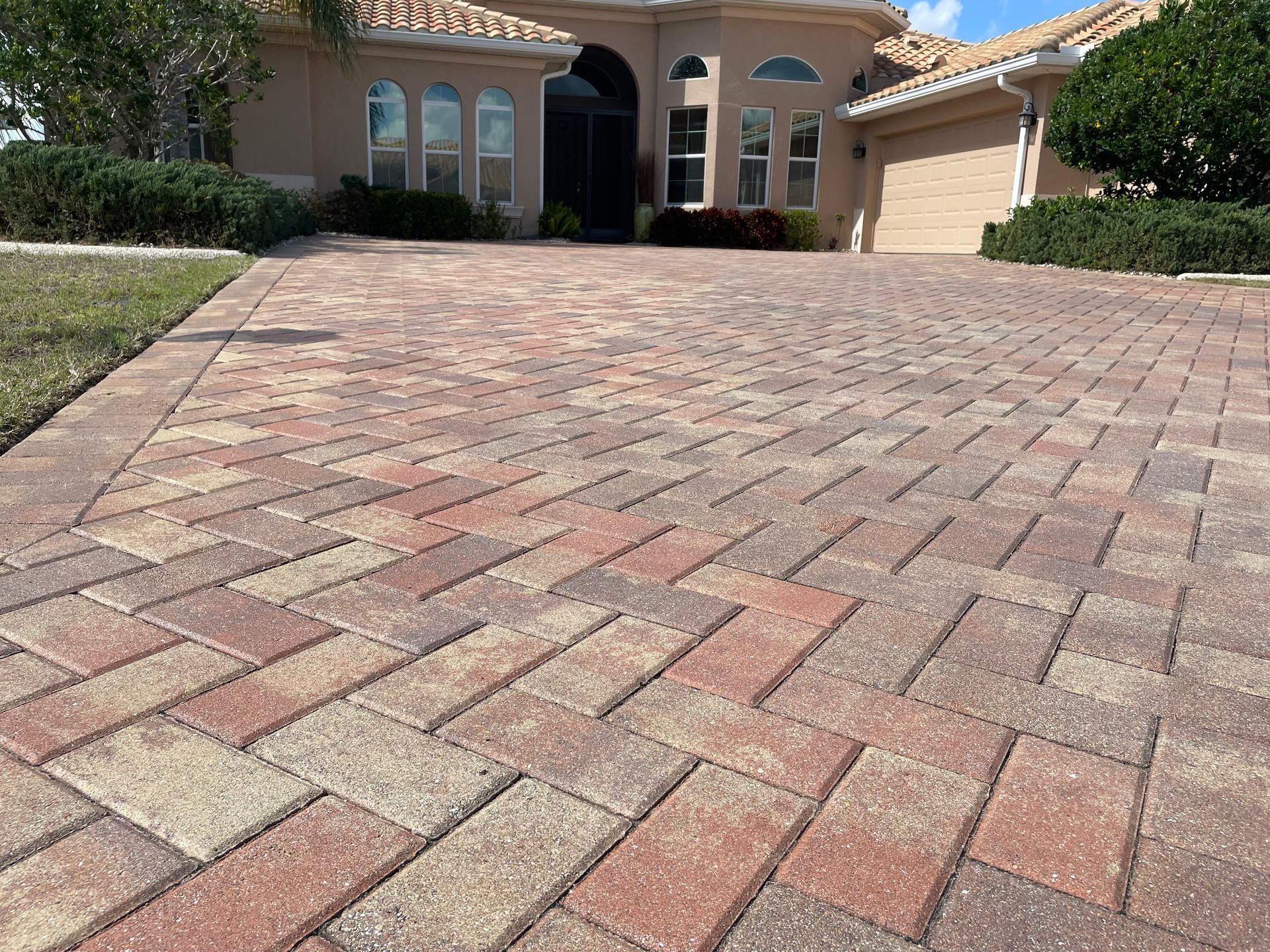
Professional paver restoration can correct many of these problems without replacing the entire surface. When fading is especially noticeable, paver tinting may also help restore color and create a more consistent appearance.
What Is Paver Restoration?
Paver restoration is a multistep process designed to improve the appearance, stability, and protection of an existing paver surface. The exact work depends on the condition of the pavers and may include deep cleaning, repairs, joint re-sanding, color restoration, failed-sealer removal, and sealing.
Before recommending a process, Supreme Paver Experts evaluates the surface to identify staining, loose or uneven pavers, missing joint sand, fading, and signs of previous sealer failure.
The Paver Restoration Process
1. Professional Cleaning
Restoration begins with a thorough cleaning to remove dirt, organic buildup, algae, and surface stains. Proper preparation is essential because contaminants left behind can affect the appearance and performance of the finished surface.
The cleaning method should be appropriate for the paver material and its condition. Excessively aggressive pressure washing can damage joints, remove too much sand, or leave visible surface marks.
2. Paver Repairs and Leveling
Sunken, loose, or uneven pavers may need to be lifted and reset before sealing. Repairing these areas improves the finished appearance and helps reduce potential tripping hazards.
Paver repairs may include:
- Lifting and leveling low areas
- Resetting loose or shifted pavers
- Replacing damaged pavers when matching materials are available
- Correcting isolated areas affected by settlement or erosion
3. Joint Re-Sanding
Joint sand helps support the pavers and maintain proper spacing. Over time, rain, cleaning, erosion, and normal wear can remove sand from the joints.
After the surface is cleaned and dry, new joint sand is installed where needed. Proper re-sanding helps stabilize the pavers and reduces open spaces where weeds and organic material can collect.
4. Sealing and Protection
Once the surface has been prepared, repaired, and re-sanded, the appropriate sealer can be applied. Sealing helps protect the restored surface, stabilize the joint sand, and enhance the appearance of the pavers.
The correct product and application process depend on the paver material, previous coatings, moisture conditions, and the homeowner’s desired finish.
Benefits of Professional Paver Restoration
A properly restored surface can provide several benefits:
- Improved color and overall appearance
- Cleaner, more consistent paver joints
- Correction of certain low or uneven areas
- Better joint stability
- Protection from Florida’s demanding climate
- Longer useful life for the existing pavers
- Reduced need for premature replacement
Restoration is not simply pressure washing. Each stage must be completed correctly for the finished surface to look consistent and perform as intended.
What Is Paver Tinting?
Paver tinting is a specialized color-restoration process for pavers that have experienced significant fading or uneven color loss. Rather than painting the surface, a compatible tint is used to improve or restore the appearance of the existing pavers.
Tinting is especially useful when Florida’s intense sunlight has faded the original color or when previous wear has created an inconsistent appearance across the surface.
The goal is normally to restore or enhance the pavers’ existing color—not to make them look like an entirely different material.
How the Paver-Tinting Process Works
Surface Evaluation
The pavers are first evaluated to determine whether tinting is appropriate. The surface must be structurally sound and compatible with the products being considered.
If failed or incompatible sealer is present, it may need to be removed before tinting can begin.
Cleaning and Preparation
The surface must be thoroughly cleaned and prepared. Dirt, algae, staining, old coatings, and trapped moisture can interfere with the tint and produce inconsistent results.
Color Selection and Testing
A tint should complement the existing pavers, surrounding hardscape, and home exterior. Because paver materials absorb products differently, a test area may be appropriate before treating the entire surface.
Tinting and Sealing
The tint is applied evenly to restore color and improve consistency. A compatible sealer is then used when appropriate to protect the surface and enhance the finished appearance.
When Should You Consider Paver Tinting?
Tinting may be worth considering when:
- The pavers have become noticeably faded
- The color looks dull or washed out
- Different sections have faded unevenly
- Cleaning alone does not restore the desired appearance
- The pavers are still usable but no longer complement the home
Tinting is not the correct solution for every surface. Severely damaged pavers, moisture problems, or failed sealer may require repairs or stripping before any color-restoration work is performed.
Does Your Paver Surface Need Attention?
If your driveway, patio, walkway, or pool deck is faded, stained, uneven, or covered with failed sealer, Supreme Paver Experts can evaluate its condition and recommend an appropriate restoration process.
We provide professional paver cleaning and sealing, paver repairs, joint re-sanding, failed-sealer removal, paver tinting, and travertine sealing throughout Sun City Center, Apollo Beach, Riverview, Wimauma, Valencia Lakes, Ruskin, Parrish, Valrico, and surrounding Tampa Bay communities.
Call or text 813-853-3557 or request a free estimate at SupremeTampaBay.com.